
Compare Local Contractors for Sunroom Building Projects
Compare local contractors to define your project scope, verify experience, and set clear expectations in writing for a successful sunroom build.
Sunroom building projects typically involve designing and constructing an additional enclosed space that extends from an existing property, often featuring large windows or glass panels to maximize natural light. These projects may include tasks such as framing, installing windows and doors, roofing, insulation, and finishing interior surfaces. The scope of work can vary depending on the desired size, style, and features of the sunroom, making it important for property owners to clearly define what they want the space to include and how it should integrate with the existing structure.
Defining the scope of a sunroom project is essential to ensure that both property owners and contractors share clear expectations. A well-outlined scope helps prevent misunderstandings about the work involved, materials to be used, and the overall design. It also provides a foundation for detailed written agreements that can guide the project from planning through completion. Clarifying scope early on can help property owners identify potential challenges, avoid scope creep, and ensure that the project aligns with their needs and preferences.
When comparing local contractors for sunroom building, property owners should consider their experience with similar projects, the range of services offered, and their ability to deliver quality work that meets specified requirements. Reviewing portfolios or references can provide insight into each contractor’s capabilities and attention to detail. It’s also helpful to verify that contractors understand the scope of work and can provide clear, written proposals that outline the tasks, materials, and responsibilities involved. This approach supports making informed decisions and selecting service providers best suited to successfully complete the sunroom project.
Compare local contractors by outlining your project priorities, verifying experience, and setting clear expectations in writing.
- Compare Contractor Experience - Review the backgrounds of local contractors to assess their experience with sunroom building projects.
- Define Project Scope Clearly - Establish detailed project requirements to ensure all parties have aligned expectations.
- Verify Credentials and References - Check references and verify previous work to gauge the reliability of service providers.
- Document Agreements in Writing - Ensure all project details, responsibilities, and expectations are documented before work begins.
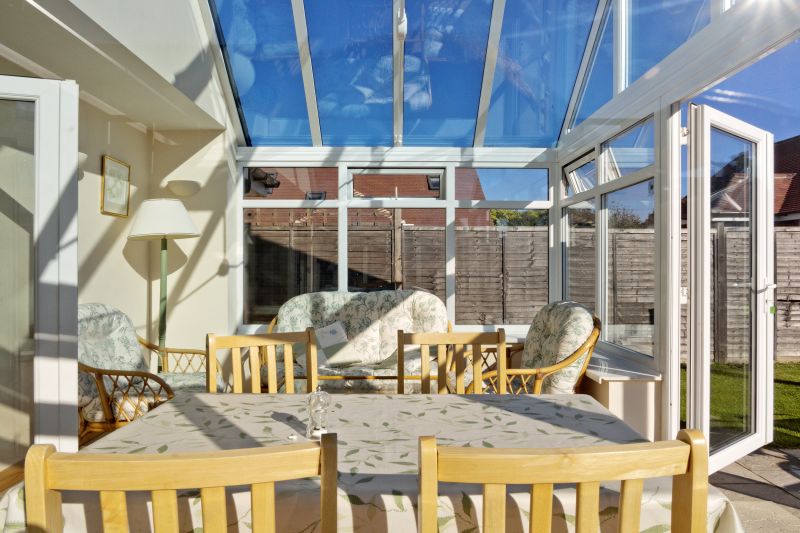
Clearly describe your sunroom project and compare local contractors based on experience, scope, and written expectations.
- Verify the experience of local contractors in building sunrooms to ensure familiarity with the project scope. - Look for service providers who can clearly define the work included and any potential limitations in writing.
- Compare the scope of work offered by different local contractors to ensure all desired features are covered. - Ensure each contractor provides a detailed description of services to facilitate accurate comparison.
- Check references or reviews to assess the quality and reliability of previous sunroom projects completed by local service providers. - Gather feedback from past clients to understand the contractor’s track record.
- Confirm that the scope of work is documented and agreed upon before starting the project. - Having a written agreement helps set clear expectations and avoid misunderstandings.
- Assess the experience of local contractors with the specific design and materials preferred for the sunroom. - Ensure the service provider has relevant experience with the chosen style and construction methods.
- Discuss and clarify project expectations, including deliverables and responsibilities, in writing with the contractor. - Clear documentation of expectations helps ensure alignment before work begins.
Compare local contractors' experience and clarify project scope to ensure expectations are aligned.
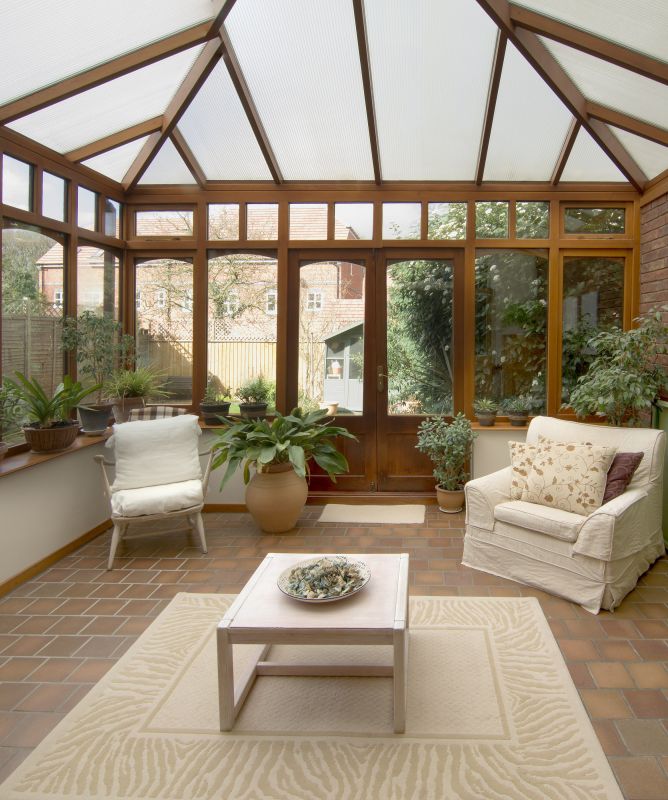

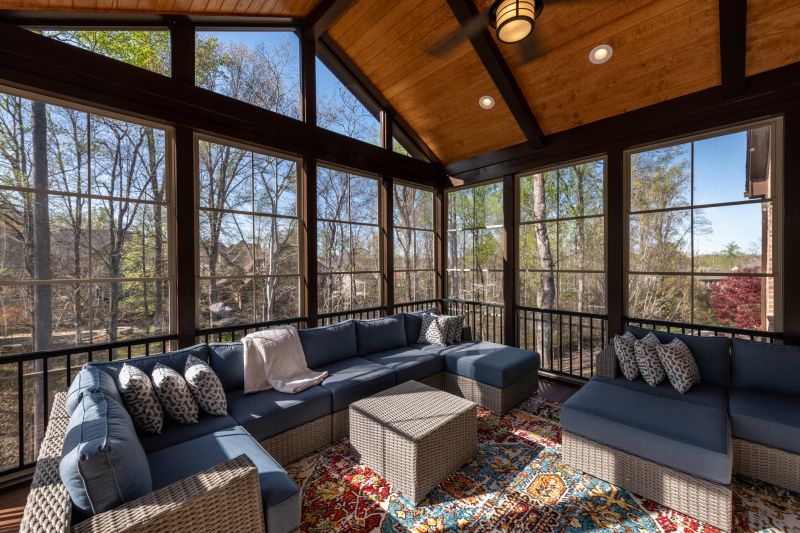
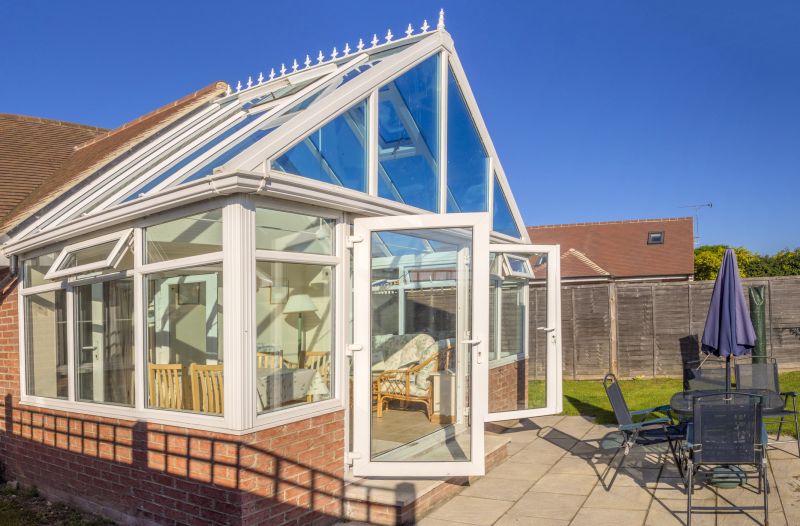
Use consistent comparison criteria across local contractors by clearly defining your scope, verifying experience, and documenting expectations in writing.
- Project Scope - Clearly define the size, design, and features of the sunroom to establish expectations.
- Material Specifications - Identify the types of materials and finishes desired for durability and appearance.
- Design Preferences - Outline aesthetic preferences and functional requirements to guide contractor proposals.
- Experience and References - Verify the contractor’s experience with sunroom projects and review previous work or references.
- Written Agreement - Ensure all project details, scope, and responsibilities are documented in a comprehensive contract.
When comparing contractors for sunroom building projects, it is essential to evaluate their experience with similar types of work. Homeowners should seek service providers who have a proven track record in designing and constructing sunrooms that align with their specific needs and preferences. Asking for examples of completed projects or references can help gauge a contractor’s familiarity with the scope and complexities involved. An experienced contractor will understand common challenges and best practices, which can contribute to a smoother construction process and a final result that meets expectations.
A clear, written scope of work is a critical component when assessing different service providers. This document should outline the specific tasks, materials, and responsibilities involved in the project, providing a detailed description of what is included and what is not. Having a well-defined scope helps prevent misunderstandings and sets realistic expectations for the project’s outcome. Homeowners are encouraged to review and compare the scope documents from multiple contractors to ensure consistency and clarity before moving forward with any agreements.
Verification of a contractor’s basic credentials involves confirming their background and reputation within the local community. This can include checking references, verifying the length of time they have been working on sunroom projects in the area, and reviewing any available testimonials or client feedback. While formal licensing or certification may not be a focus, understanding a contractor’s history and experience provides insight into their reliability and ability to deliver quality work. Conducting this due diligence is an important step in narrowing down options and choosing a service provider with a solid foundation.
Evaluating options without discussing prices involves focusing on the quality of proposals, scope details, and the contractor’s approach to the project. Homeowners should compare how each service provider plans to handle the design, materials, and construction process, paying attention to the clarity and professionalism of their communication. Asking for detailed written descriptions of the work can reveal differences in expertise and attention to detail. By concentrating on the scope, experience, and communication, homeowners can make informed decisions that align with their project goals and expectations.
Ask contractors to provide written scope details to ensure clear expectations and consistent project understanding.
- Experience and Expertise - How do contractors demonstrate their experience with sunroom building projects?
- Scope of Work - What specific services and materials are included in each contractor’s scope for sunroom construction?
- Project Expectations - How do contractors clarify project details and deliverables in writing before starting work?
- Comparison of Services - What differences in approach and offerings should be considered when evaluating local contractors?
- Communication and Clarifications - How do contractors handle questions and ensure all project expectations are clearly understood?
What should I consider when choosing a contractor for building a sunroom? It's important to compare local contractors based on their experience, portfolio, and reputation. Clearly define the scope of work and ensure all project details are agreed upon in writing to set proper expectations.
How can I verify a contractor’s experience with sunroom projects? Review their previous work, ask for references, and check if they have completed similar projects. Confirm that they have relevant experience in building sunrooms similar to your desired design.
What questions should I ask a potential contractor before hiring? Inquire about their process, how they handle permits and inspections, and how they manage project timelines. Clarify how they will communicate progress and any potential issues that might arise.
Why is it important to have a written agreement with a contractor? A written contract helps define the project scope, responsibilities, and expectations, reducing misunderstandings and providing a clear reference for both parties throughout the project.
How can I compare different contractors effectively? Gather detailed proposals that outline the scope, materials, and methods. Review their experience, references, and reputation, and ensure they understand your vision for the sunroom project.
What should I do to ensure smooth communication with a contractor? Establish clear channels for updates, ask how they will keep you informed, and request regular progress reports. Having everything documented helps maintain transparency throughout the project.
This page has highlighted the importance of carefully selecting contractors for sunroom building projects. Visitors learned how to define the scope of work, verify the experience of service providers, and set clear expectations through written agreements. By understanding these key steps, homeowners can better navigate the process of connecting with local contractors who can meet their specific needs.
Using the quote form provides a straightforward way to compare options among local contractors and service providers. It offers an efficient starting point to gather information, helping to identify the right professionals for the job without the need for commitments or assumptions.